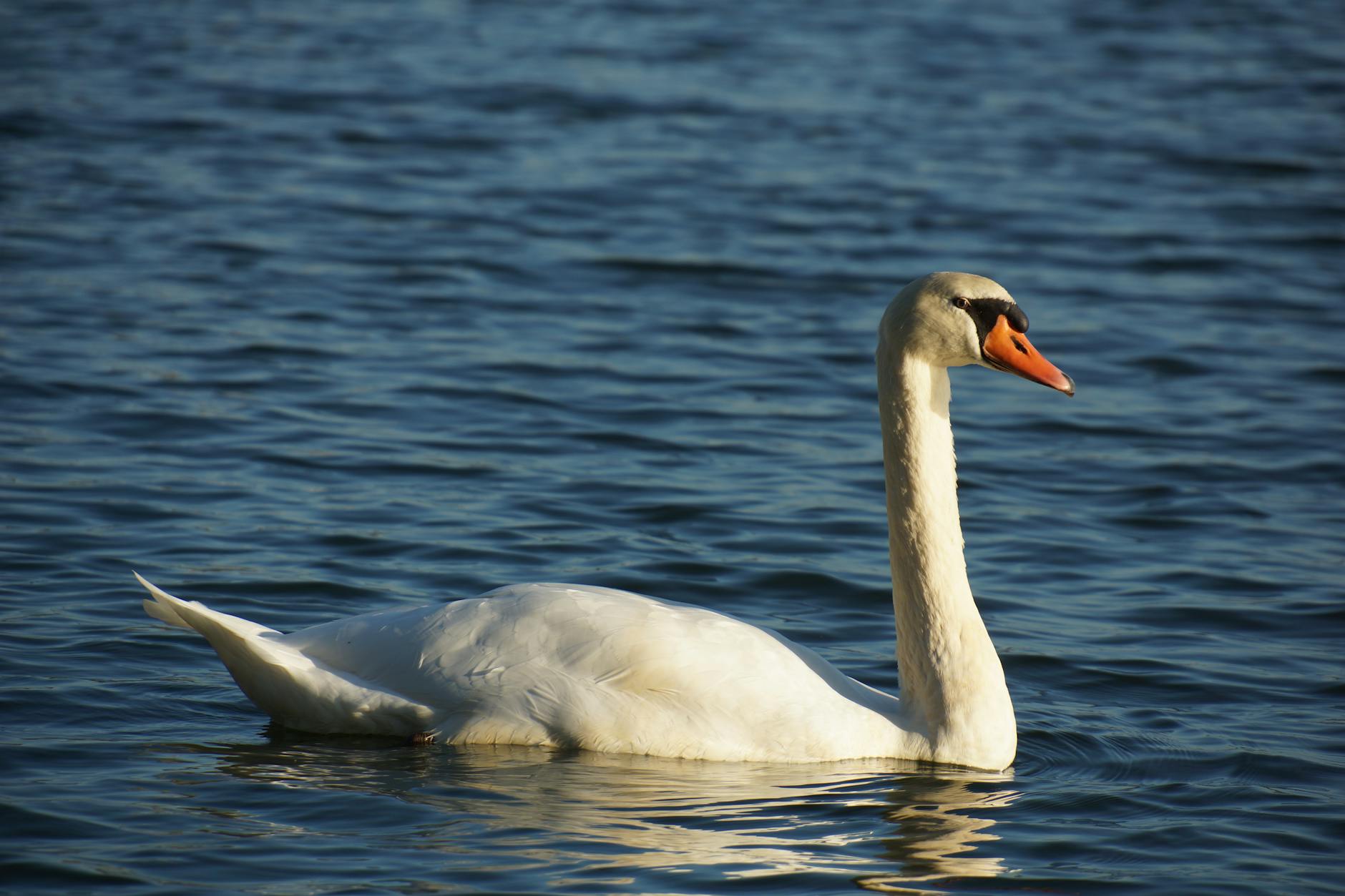
Spring season is approaching, Arctic ice cap starts thawing, meadows awaken, birds flock together for the long voyage to North hemisphere ice cap, where food is abundant ( fish, meadows, large forests). Birds are the strongest species that can travel long distance, from south hemisphere to North. Migration started in the glacial environment, particularly in winter season, birds were obliged to move south in warmer regions to feed and breed.
Global flyways: African – Eurasian, Americas, Asian- Australian, but sometimes birds show twisted pathways. La Niña, El Niño cycle, cause the wind of change. Seasonal currents determine the resource and migration routes. That’s why, some places experience lesser activities. Marine communities and birds communities change trajectory ( move elsewhere). Even though birds are bravest species that can travel/ cross dangerous barriers such as desert region, high mountain range/ glaciers. But climate change is the biggest threat to bird populations worldwide either from flood monsoon season or drought.
Arctic summer months ( June- September) frequent flyers are: goose, swan, gulls, sandpiper, black warble, snow owl, common cuckoo, king rider, phalarope, Sandhills crane, puffin.
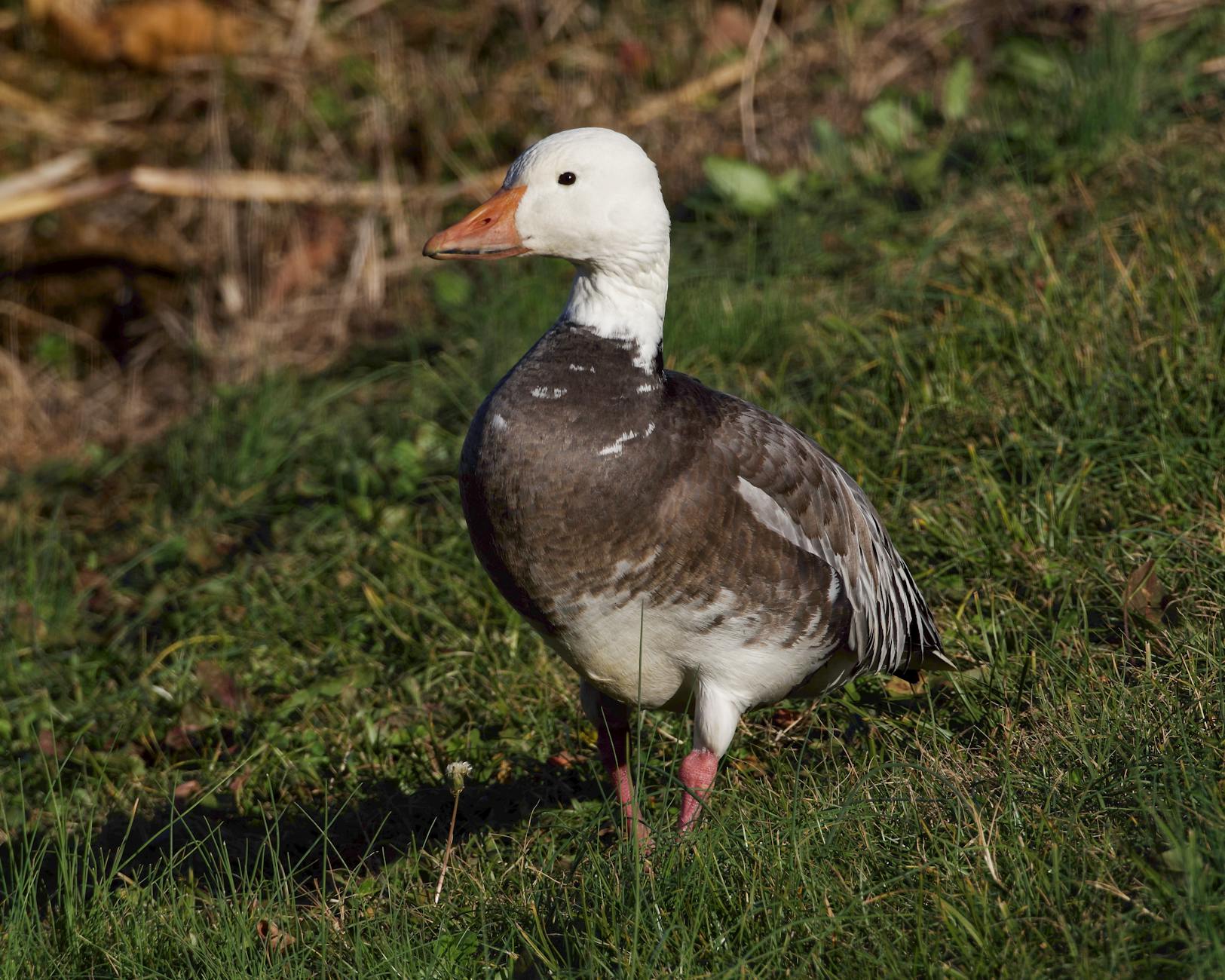
Snow geese are common in the west coast, they travel 500 miles per day headed to wintering ground in Skagit, Frazier Valleys in Washington for fresh salmon.
Rajwantee Washington USA
 Green spirit Team
Leave a comment