Earth revolution.
Warm currents move eastward from the Pacific Ocean (South America) to the Atlantic Ocean, tropics that get more rainstorms in spring and summer. Moreover, marine communities move along the currents, which leaves the Pacific dry region scarcer. Desert coastlines have lesser marine populations; most of them move to cooler areas and experience drier seasons (less rain). For example, warm water upwelling in South America sees fewer anchovies and drier coastlines (less rain in desert regions). On the other hand, the Atlantic Gulf gets more precipitation, floods, and storms, as predicted by Mr Weatherman and Pow weather forecast.
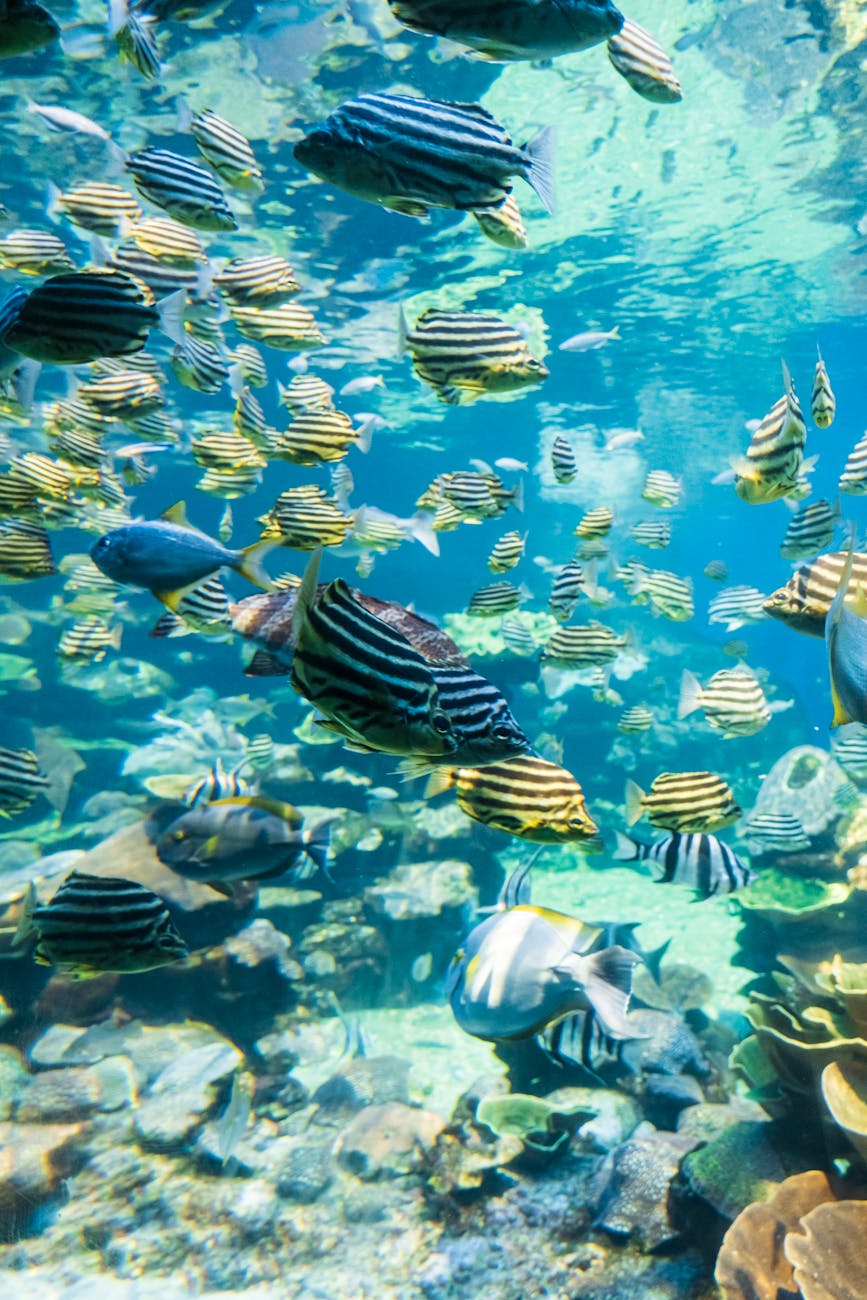
Marine communities and all species play a greater role in keeping oceans temperature regulated.
East Pacific, monsoon season in summer.
Rajwantee Robinson
Since 2019, meteologists have been very instrumental in environmental protection.
Correction on upwelling during El Niño season. There is no upwelling of cold water from ocean floor, the warm water stays stagnant which causes fish to move away, and some do not make it ( like small fragile anchovies). The big fishes that can swim at a speed of 40 miles per hour follow the currents to cooler water. Warm currents move eastward, like the Atlantic where large mass precipitation comes from North Hemisphere. Large Gulf tropical basin ( warm ocean) becomes very stormy.


Leave a Reply